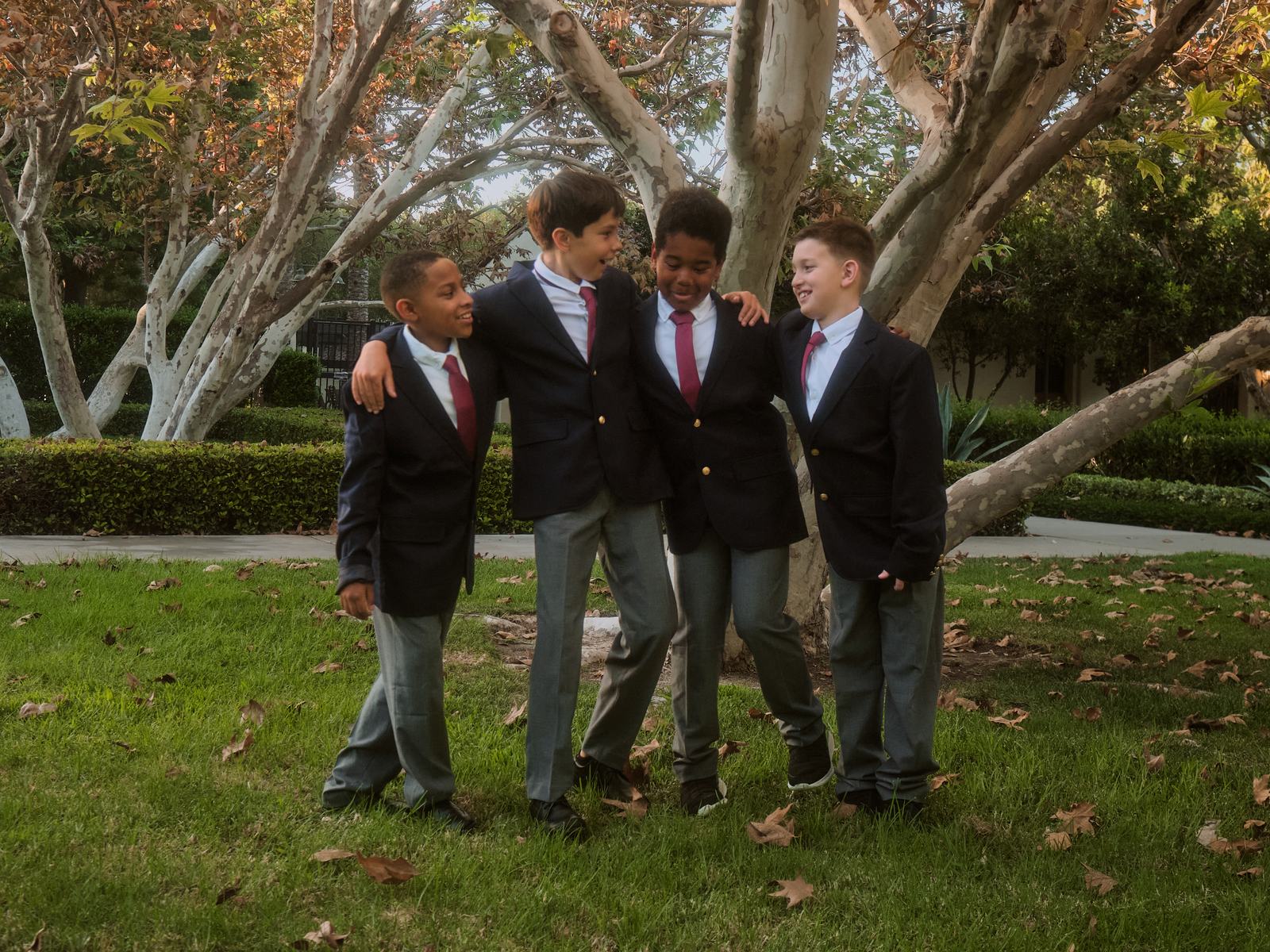
High expectations meet high support: an Orthodox Christian education with respect for Classical learning methods and a global aperture.
Grades 3 through 12
十年樹木,百年樹人“It takes ten years to raise a tree. It takes a century to raise a human.”A ten-year academic continuum over the most decisive decade of a lifetime.
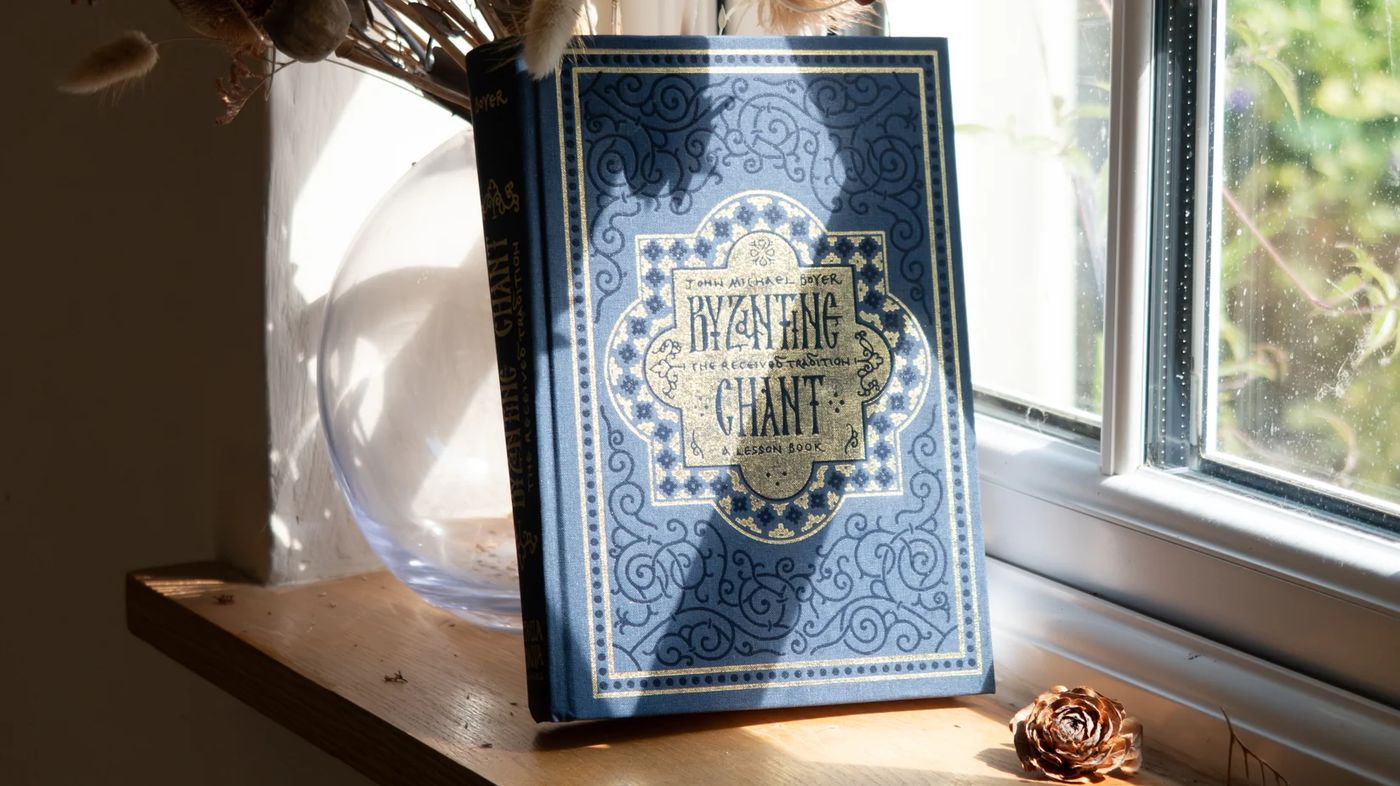
Orthodox Studio Art · Byzantine Chant · Media & Theatre ArtsContinuedContinued, with staged productions
Folkstyle wrestling and Greek folk danceCompetitive athleticsCompetitive athletics
MilestonesThe Greek alphabetThe Classical Core rotation opensThe AP sequence opensInternshipsFirst graduating class
Grades 3 through 9 open in 2027–2028. The school then adds one grade a year, to a first graduating class in 2031. Lower grades may open as the right faculty come.
What a Graduate Knows and Can Do
The school exists to form students who love God and neighbor with all the mind, heart, soul, and strength. Mind, heart, and will are the powers of the soul; strength is the body that carries them. Our learner outcomes are grouped the same way.
Mind
What a student knows, and how they think.
What a graduate can do
Reads closely and builds an interpretation from the text itself
Argues from evidence, in writing and aloud, and answers the strongest objection
Reasons with number, and investigates a question that can be tested
Reads and uses Koine Greek
Mastery of knowledge, and of the approaches to knowledge, is balanced with the courage to wonder and innovate.
Evidence seminar notes and annotated texts, essays and presentations, MAP and STAR, translation and reading aloud.
Heart
What a student loves.
What a graduate can do
Knows the Scriptures, the doctrines, and the shape of the services, and can explain them
Takes part in the prayer and worship of the school day
Attends to the person in front of them, and repairs a relationship they have damaged
Serves a parish, a neighbor, and the ordinary work of a classroom
Devotion to one’s own tradition is balanced with welcome of the stranger.
Evidence theology work, commentary on Scripture and hymns, service carried across a term, observed conduct.
Will
What a student does when it costs something.
What a graduate can do
Weighs a real choice against the teaching of the Church and the dignity of others
Keeps commitments, and says plainly when they have not
Plans their own work, and asks for help before the work is lost
Stays with difficulty, and changes a strategy that is not working
Humility is balanced with the boldness to speak.
Evidence work completed on time, honest accounts of mistakes, practice records, a problem carried across several sessions.
Strength
What a student makes and endures in the body.
What a graduate can do
Trains the body with skill, safety, and attention to a partner
Makes finished work in language, sound, movement, or image
Builds technique by repetition, correction, and patience
Revises after critique, and can say what changed and why
Diligent practice is balanced with rest.
Evidence performances and productions, drafts beside revisions, measured progress in a physical skill.
The outcomes are reviewed with the faculty each year and mapped to the curriculum. Write to admissions@allsaintsacademyoc.org for the map.
Why These Years
The habits of study, friendship, and faith that carry into adulthood are set in these years.
Brain
The Great Pruning
The adolescent brain prunes unused synapses, by estimates reaching 40 percent in the prefrontal cortex, and strengthens the connections in use.
Source: Huttenlocher & Dabholkar (1997); Petanjek et al., PNAS (2011)
Mind & heart
Calibrating Emotional Centers
Emotional centers mature by the early teens; the prefrontal cortex that governs judgment is not finished until about 25. Students at this age feel decisions strongly before they can weigh them.
Source: NIH ABCD Study; Steinberg's dual-systems research (2008)
Memory
The Permanent Decade
Adults recall ages 10–25 more vividly than any other period.
The sharpest identity differentiation lands in grades 7 through 9, exactly when peers overtake parents as the approval that matters.
Source: Klimstra et al., J. Youth & Adolescence (2010); Chein et al., Developmental Science (2011)
Wellbeing
75% Before 24
Three-quarters of lifetime mental-health conditions first appear before 24, rising most sharply between 12 and 15.
Source: Kessler et al., Archives of General Psychiatry (2005)
Faith
The Trajectory Is Set
Religiosity measured every year from 6th to 12th grade predicts a young person's sense of purpose at 21, both where they start and which way they move.
Source: Pfund, Schultz, Andrews & Hill, Psychology of Religion and Spirituality (2020), seven annual waves, NIH grant DA10767
Daily Koine Greek
The ultimate linguistic foundation for classical logic, biblical literacy and cognitive development.
Greek is the first period of every school day, grades 3 through 8: the alphabet first, then the words of the services, toward reading the Scriptures and the Liturgy in the original. Grade 9 and above continue in Modern Greek, rooted in the Biblical and the Liturgical.
ἘνἀρχῇἦνὁΛόγος
en archē ēn ho Logos
“In the beginning was the Word.”
John 1:1
Α αalpha
Β βbeta
Γ γgamma
Δ δdelta
Ε εepsilon
Ζ ζzeta
Η ηeta
Θ θtheta
Ι ιiota
Κ κkappa
Λ λlambda
Μ μmu
Ν νnu
Ξ ξxi
Ο οomicron
Π πpi
Ρ ρrho
Σ σsigma
Τ τtau
Υ υupsilon
Φ φphi
Χ χchi
Ψ ψpsi
Ω ωomega
All Saints’ Classical Core
Three distinctive characteristics of the All Saints approach.
Theanthropological
θεóς theos, God · ἄνθρωπος anthrōpos, human being
Unfurl
Of the God–man: Jesus Christ, fully God and fully human, and through Him the whole relationship between God and humanity. Every discipline in the Core is studied in that light.
Interdisciplinary
inter Latin, between · disciplina Latin, instruction
Unfurl
Four courses holding one storyline. A student meets the same period in Theology, History, Literature and the Sacred Arts inside the same term, and is asked to carry what is learned in one into the others.
Global
globus Latin, sphere, the whole world
Unfurl
A canon that reaches past Europe. Students study the Church and the civilizations it grew among across the whole world, because that is the world God made, and the one a graduate will live and work in.
The Classical Core is where students study that relationship as it unfolded in history. Theology, History, Literature and the Sacred Arts hold to one storyline, so a student meets the same period from four directions in the same term. Each discipline is studied to depth, and the four together give the breadth to think about and engage with the world beyond the classroom.
Four disciplines run in constant conversation on one storyline.
Four disciplines, one storyline.
Theology
The message of the Scriptures, the Church Fathers, the lives of the saints, and the liturgical tradition of the Church.
History
The times, places, people, and events of the world the Lord Jesus was born into, and from which He called His Church.
Literature
The human soul's longing for God, in stories, poetry, and texts across cultures and centuries.
Sacred Arts
Students take up the themes and the cultural and liturgical material of Theology, History, and Literature in the studio.
What the conversation looks like: in one trimester a student meets God calling Abraham out of Babylon in Theology, the civilizations of the Fertile Crescent in History, and the Code of Hammurabi in Literature.
How the Disciplines Align
The four courses follow the same period each trimester. A representative trimester for 6th grade:
Grade 6 · The Ancient Greek World
Programs
Unique offerings at All Saints, to grow skill, character, and confidence in learning.
Much of the learning here happens in immersive work: case studies, location-based learning, and sustained projects. We weight formative assessment as heavily as summative, because students and teachers here are committed to improving the work while it is still in hand. Students take MAP twice a year and STAR each trimester, tracking math, reading comprehension, and writing.
Short, adaptive checks in reading, math, and writing that a student completes in about twenty minutes. We run them each trimester: a frequent, low-stakes signal that lets teachers adjust instruction during the term, while there is still time to act.
A nationally normed, adaptive assessment taken twice a year. MAP measures each child's growth against their own past performance and against peers across the country, so a family sees their child's progress over time and the faculty sees where to aim next.
Accreditation
As of October 2026, All Saints is in the accreditation process with the Western Association of Schools and Colleges (WASC). Accreditation evaluates an operating school, and we are growing ours around what accreditors look for from the start: a documented curriculum, credentialed lead teachers, nationally normed assessment, and, beginning summer 2027, a published annual report of enrollment, growth, and finances.
All Saints is an independent school operating under California's private-school requirements, organized as a California nonprofit corporation, with federal 501(c)(3) status pending.